bathroom remodeling and kitchen remodeling: Our Most Trusted Solutions for Functional Design
Increase Your Home's Value With Strategic Bathroom and Kitchen Remodeling
Property owners frequently miss the potential of bathroom and kitchen remodeling as a means to enhance property value. Thoughtful remodeling projects can yield significant returns, particularly when they match current market trends. Understanding the value of various upgrades is essential. With thoughtful preparation and execution, these spaces can transform into selling points that attract buyers. But what specific features should be emphasized to achieve maximum appeal?
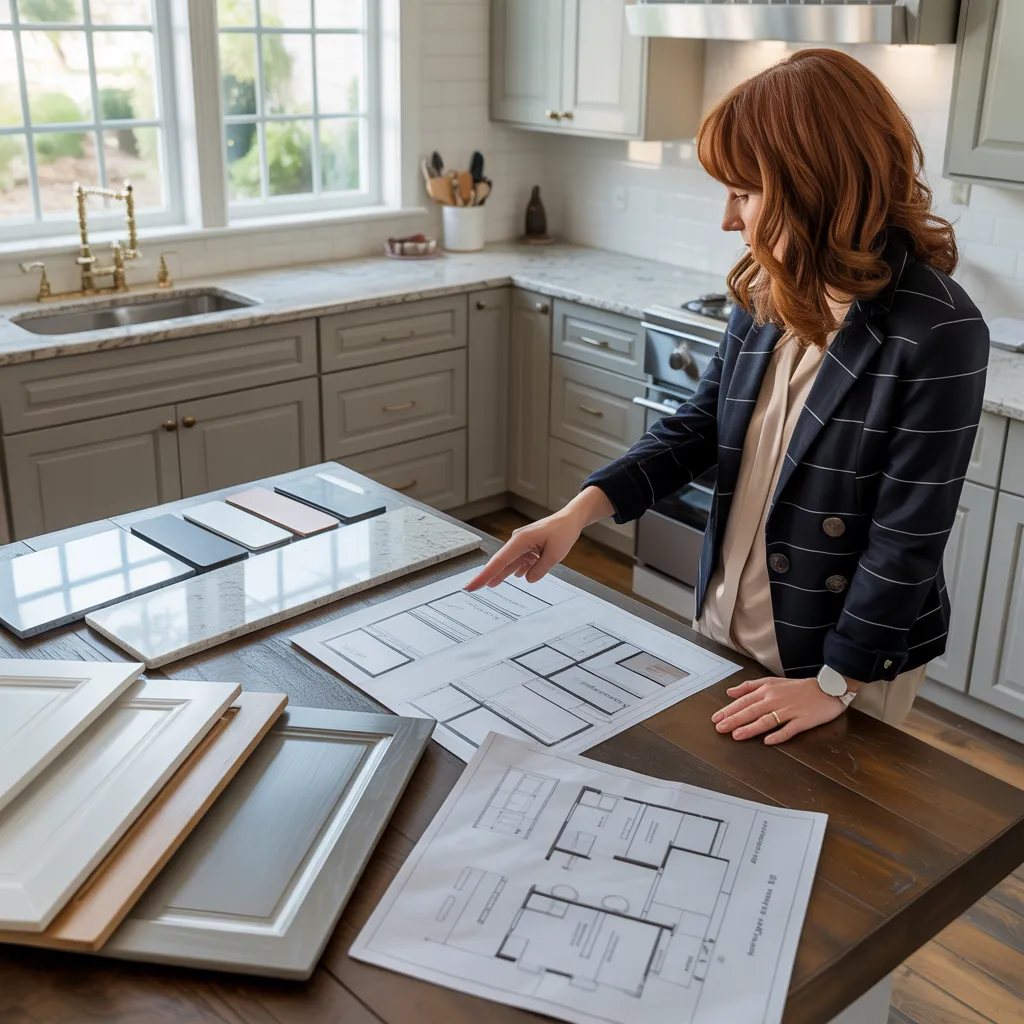
The Influence of Kitchen and Bathroom Renovations on Home Value
Many homeowners recognize that carefully planned upgrades can significantly increase property value, notably in critical spaces like bathrooms and kitchens. These rooms are frequently viewed as crucial by future homeowners, making their renovation a valuable investment. A updated kitchen, presenting modern appliances and better layouts, can substantially improve both functionality and design appeal, appealing to buyers willing to pay a premium. Equally, an upgraded bathroom with stylish fixtures and functional designs can generate a sense of luxury, further boosting desirability.
Research shows that homeowners can recover a substantial portion of their renovation investment through increased property value. Both bathroom and kitchen remodels are recognized for providing some of the highest returns on investment in the real estate market. Finally, strategic renovations in these areas can transform a home into a more attractive option for potential buyers, making sure that homeowners maximize their financial gain when selling their property.

Setting Your Renovation Budget: Spending Guidelines
While preparing for a renovation, recognizing financial limits is essential for homeowners. It's vital to designate funds carefully by prioritizing important areas that will yield the greatest return on investment. A properly organized budget can help confirm that the renovation boosts both functionality and property value.
Assessing Your Fiscal Thresholds
Creating a sensible budget is vital for any remodeling project, especially when it comes to increasing the value of a home through bathroom and kitchen renovations. Homeowners must first evaluate their financial condition, considering savings, income, and potential financing alternatives. This evaluation helps in determining how much they can comfortably allocate without overstretching themselves. It is important to factor in not only the cost of materials and labor but also permits, inspections, and unanticipated expenses. Developing a comprehensive budget guarantees that homeowners can make educated decisions and avoid financial strain. By distinctly defining financial constraints, homeowners can prioritize their renovation goals, producing a more efficient and successful renovation process that aligns with their overall financial strategy.
Prioritizing Important Renovation Areas
Identifying where to allocate funds during a remodeling project is a vital step in maximizing home value. Homeowners should prioritize renovations that provide the highest return on investment, particularly in the kitchen and bathroom. According to industry experts, updating fixtures, cabinetry, and countertops can significantly improve appeal and functionality. Furthermore, focusing on energy-efficient appliances can attract environmentally conscious buyers. It is also advisable to examine current trends and neighborhood standards to verify that renovations match market expectations. By strategically budgeting for these key areas, homeowners can create a more inviting space while increasing property value. In the end, careful planning and prioritization will produce a successful remodeling project that meets both aesthetic and financial goals.
Key Considerations for Effective Bathroom and Kitchen Remodeling
Effective kitchen and bath remodeling copyrights on several essential factors that can greatly impact both the process and the outcome. Initially, setting a realistic budget is fundamental, as it helps manage spending and prevents financial strain. Following this, careful planning of the layout provides efficient use of space, facilitating better workflow and accessibility. Engaging qualified professionals for design and execution is also crucial, as their expertise can prevent costly mistakes and improve the overall quality of the project. Additionally, selecting durable materials that align with the home's style is important for longevity and aesthetic appeal. In conclusion, obtaining necessary permits and adhering to local building codes guarantees compliance and avoids potential setbacks. By focusing on these fundamental elements, homeowners can navigate the remodeling process smoothly and achieve results that enhance both functionality and value in their homes.
Select Your Design Aesthetic: Modern or Traditional?
Choosing a design style is a critical decision that significantly impacts the total aesthetic and functionality of remodeled spaces. Homeowners often wrestle with the choice between modern and traditional designs. Modern styles are characterized by clean lines, open spaces, and minimalistic features, drawing in those who embrace a contemporary, sleek look. These designs often include innovative materials and technology, producing a streamlined environment.
On the other hand, traditional designs evoke a sense of warmth and comfort, often featuring luxurious textures, intricate details, and classic fixtures. This style resonates with people who cherish timeless elegance and a cozy atmosphere. Ultimately, the choice between modern and traditional relies on individual preferences, lifestyle, and the existing architecture of the home. A thoughtfully selected design style not only improves personal enjoyment but can also increase the property's market appeal, making it essential for homeowners to consider their options before moving forward with remodeling.
Best Kitchen Remodeling Improvements That Entice Buyers
When contemplating kitchen remodeling, specific features regularly captivate buyers and increase a home's market value. Open layouts are greatly in demand, cultivating a sense of space and connectivity. Modern appliances, notably energy-efficient models, attract eco-conscious buyers and promise lower utility bills. Abundant storage solutions, for instance custom cabinetry and pantry spaces, support maintain organization, making kitchens more functional.
Materials such as granite or quartz for countertops deliver luxury and long-lasting quality, drawing in buyers who want high-end finishes. Furthermore, an attractive backsplash serves as a centerpiece, contributing aesthetic charm. Well-placed lighting, including under-cabinet and pendant options, not only brightens the space but also enhances the overall ambiance. Lastly, adding smart features such as programmable thermostats or smart refrigerators draws in technology-minded buyers who value convenience. These elements work together to produce a kitchen that is functional and welcoming, driving buyer appeal.
Important Upgrades for a Spa-Inspired Bathroom
Establishing a spa-like bathroom experience can significantly elevate a home's appeal and value, as homeowners continually seek comfort and renewal in their personal spaces. Key upgrades play a crucial role in transforming an ordinary bathroom into a serene retreat. Superior fixtures, such as rain showerheads and freestanding soaking tubs, can create a luxurious atmosphere. Furthermore, installing a double vanity with ample storage increases functionality while providing a touch of elegance.
Incorporating natural materials, such as stone and wood, creates a calming environment, while effective lighting options, like dimmable LED fixtures, add to the overall ambiance. Heated flooring provides comfort during colder months, further improving the spa experience. Finally, adding elements such as aromatherapy diffusers or a built-in sound system can create a multisensory retreat. By investing in these carefully planned upgrades, homeowners can significantly increase both the pleasure of their space and the overall value of their property.
Ways to Make Eco-Friendly Selections That Boost Your House's Worth
With homeowners placing growing emphasis on sustainability, making eco-friendly choices can substantially increase a property's value while contributing to environmental well-being. One effective approach is to incorporate energy-efficient appliances in kitchens, such as Energy Star-rated refrigerators and dishwashers, which not only reduce utility bills but also appeal to eco-conscious buyers. In bathrooms, low-flow fixtures can substantially lower water usage, making them an attractive feature.
Employing green materials, like bamboo cabinetry or recycled countertops, can additionally elevate a residence's appeal. Moreover, installing solar panels can supply long-term energy savings and enhance property desirability. Guaranteeing proper insulation and employing smart home technology can also increase energy efficiency. By adding these green upgrades, homeowners can establish a contemporary, sustainable living space that appeals with buyers, ultimately resulting in a higher property value. Emphasizing these choices within remodeling projects presents a residence as both environmentally responsible and financially smart.
Contractors vs. DIY: Which Option Suits Your Renovation Best?
How can homeowners decide between hiring professionals and undertaking a remodel as a DIY project? The determination frequently relies on various essential elements. First, the complexity of the project plays a significant role; complex jobs like plumbing or electrical installations generally demand expert abilities that contractors have. Also, monetary restrictions could shape this determination; whereas do-it-yourself methods can cut expenses, employing specialists might avert pricey blunders. In addition, available time is critical; residents with hectic timetables could select experts to secure efficient completion.
Additionally, the preferred quality of the finished product should be considered. Professionals often ensure a high-quality finish, whereas self-completed work may range based on personal skill levels. Ultimately, assessing these factors—project complexity, budget, timeline, and quality—can guide homeowners in making an educated choice that aligns with their remodeling targets and enhances their home's value.
Frequently Asked Questions
How Long Will a Standard Bathroom or Kitchen Renovation Take?
An average bathroom remodel usually requires 4-6 weeks, while a kitchen remodel might need 6-12 weeks. The timeline varies based on project scope, contractor availability, and the extent of renovations.
What Permits Are Necessary for Remodeling Projects?
Usually, remodeling projects call for building permits, plumbing permits, and electrical permits. Regional requirements may change, so it's essential for homeowners to verify with their municipality to ensure compliance with all needed permits before commencing the project.
Is Remodeling Possible With a Limited Budget?
Remodeling within a restricted budget is achievable. Careful planning, prioritizing essential updates, and exploring cost-effective materials can help achieve desired results without overspending, which improves your property's attractiveness while maintaining fiscal discipline.
How Can I Avoid Common Remodeling Mistakes?
To avoid common remodeling mistakes, one should comprehensively plan budgets, research materials, engage qualified professionals, communicate clearly, and remain flexible with timelines. Understanding personal needs and preferences also aids in making informed decisions throughout the process.
Can My Homeowner's Insurance Pay For Remodeling Damages?
Homeowner's insurance generally covers damage resulting from unexpected events, however renovation-related damages often fall outside standard policies. It's recommended that homeowners to speak with their insurance company to verify specific coverage details in advance of initiating remodeling important resource projects.